A unique museum in Europe
The Museum of the Memory of Walls and Men of Verneuil-en-Halatte is the fruit of 40 years of research and the passion of one man, Serge Ramond, curator and founder. It was in 1969 that he became interested in the graffiti on the walls of several churches in Picardy.
Built in the Art Deco style, this museum is today a unique venue for the preservation of drawings and writings carved in stone, representing 10,000 years of history from Prehistory to the 20th century. Its entire collection is exhibited across 22 spaces on 4 levels.
Exceptional wartime accounts
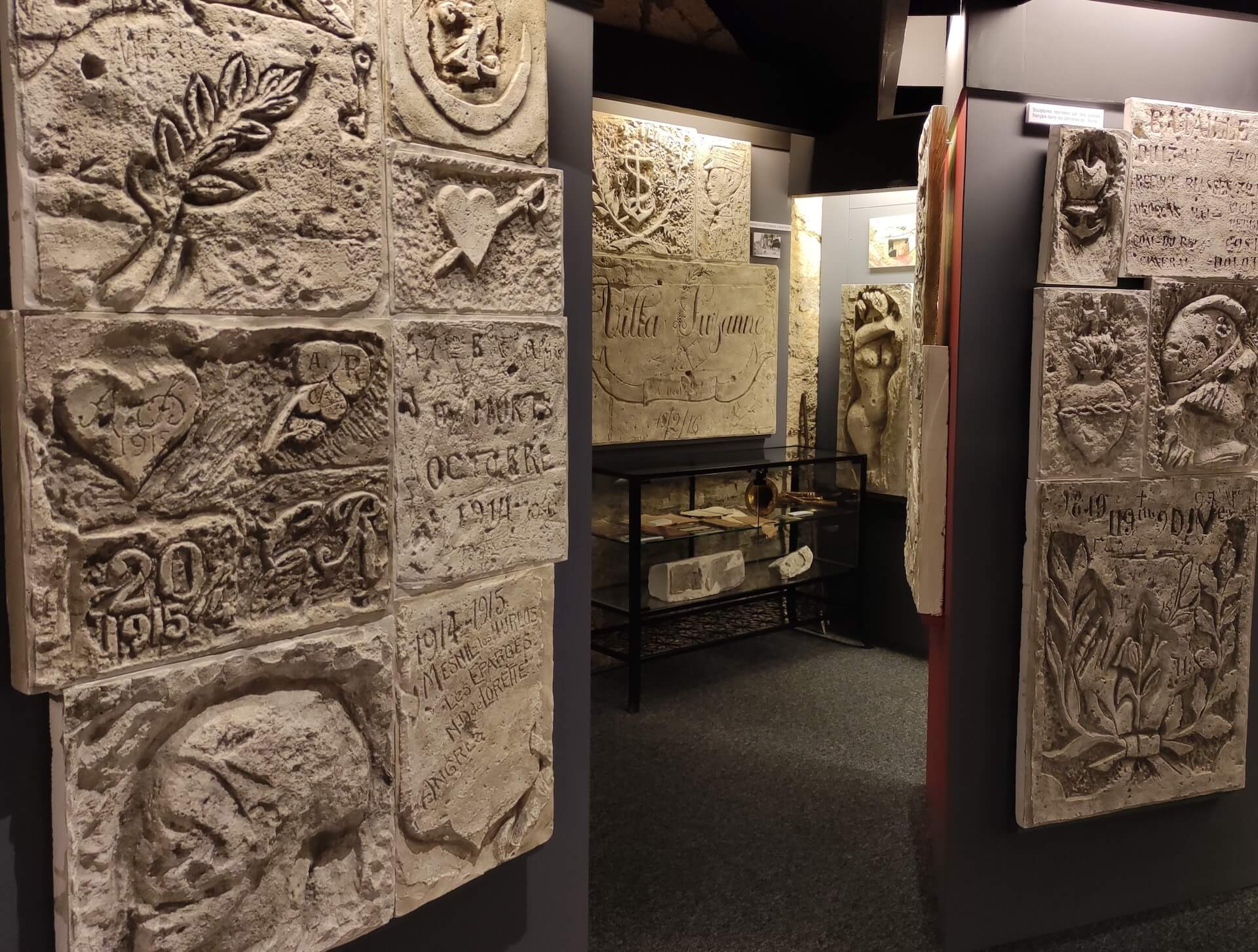
The Museum of the Memory of Walls and Men introduces you to graffiti from the First and Second World Wars. It is a collection of several hundred casts of graffiti engraved and sculpted by French, British, American and German soldiers who remained in the underground quarries of Picardy during the first conflict. There are also testimonies from Gestapo prisoners through writings and messages dating from the Second World War.
The remains
The museum also exhibits archaeological collections discovered in Verneuil-en-Halatte ranging from Prehistory to the Renaissance. Prehistoric art is represented by objects ranging from the local Palaeolithic to the Neolithic: fossils, flints and a skeleton over 5,000 years old.

The objects found during the excavations at the Gallo-Roman site of Bufosse in Verneuil-en-Halatte can be viewed: coins, iron oil lamps, brooches and a 3rd-century bronze colander, as well as a model of the 4th-century farm.
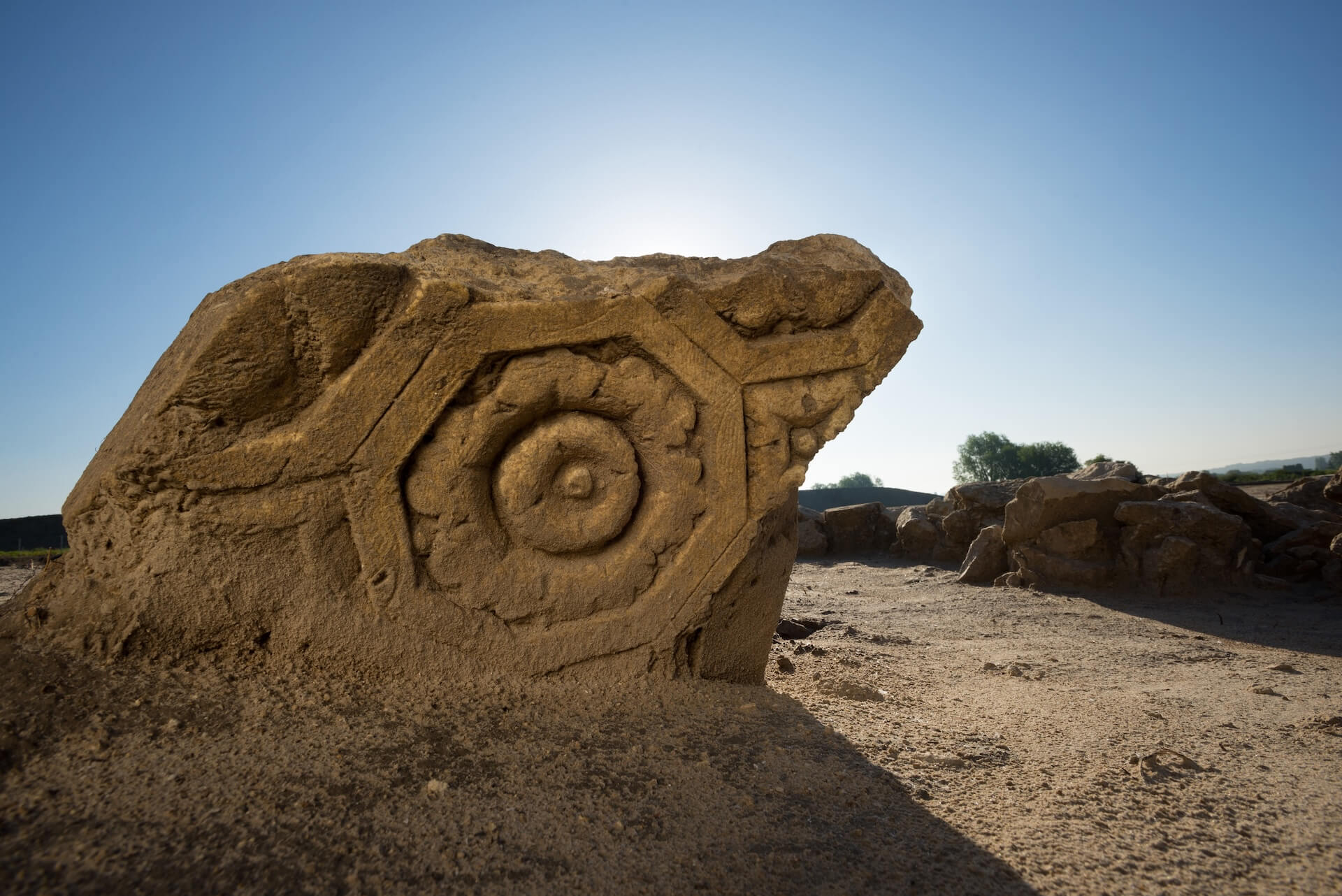
A space also displays remains of the former Château de Verneuil, a prestigious building designed by Jacques Androuet du Cerceau and completed by Salomon de Brosse. Sculpted stones, fragments of decoration and statues, and 17th-century Delft earthenware tiles bear witness to the splendour of this residence.
The sea and the boats
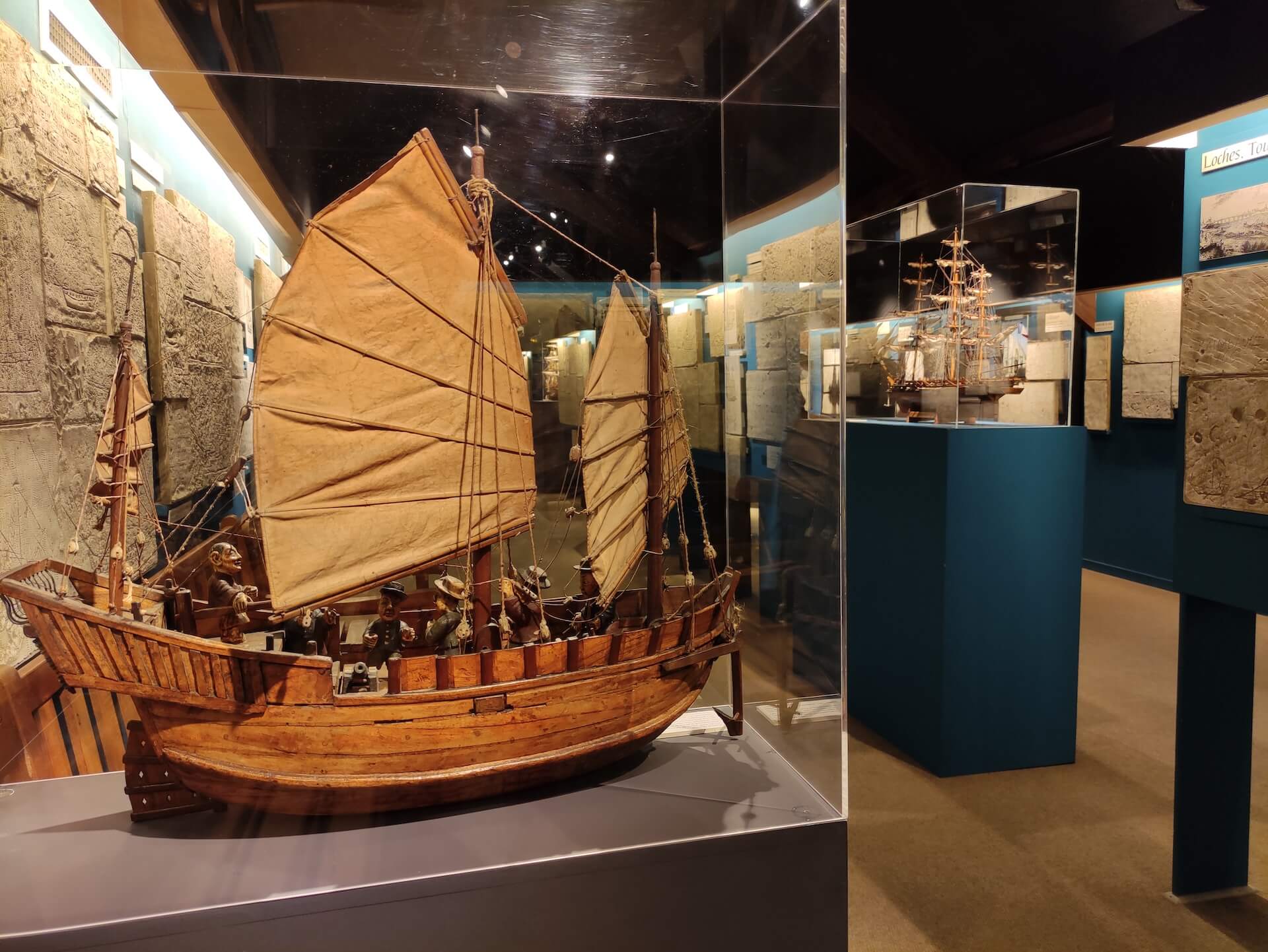
This museum takes you on a voyage of discovery through representations of boats, made by sailors and bargemen from the 16th century to the 18th century.
Large collections of casts are also exhibited there, evoking the everyday world of European sailors. Various types of boats are to be discovered sailing on the sea or rivers, used for trade, fishing or warfare. These graffiti were used as ex-votos on the walls.